Scientists Have Successfully Traced the lineage of Leonardo da Vinci
A team of Italian scholars and scientists has successfully traced the lineage of Leonardo da Vinci, identifying at least five living male descendants of the famed inventor. Using bone fragments from the family burial tomb in the Church of Santa Croce, located in Leonardo's hometown of Vinci, the researchers matched segments of the Y chromosome from the bones to the living relatives. These individuals, still residing in Tuscany, share a common ancestral link to Leonardo, who passed away in 1519 without children but is believed to have had 22 half-siblings.
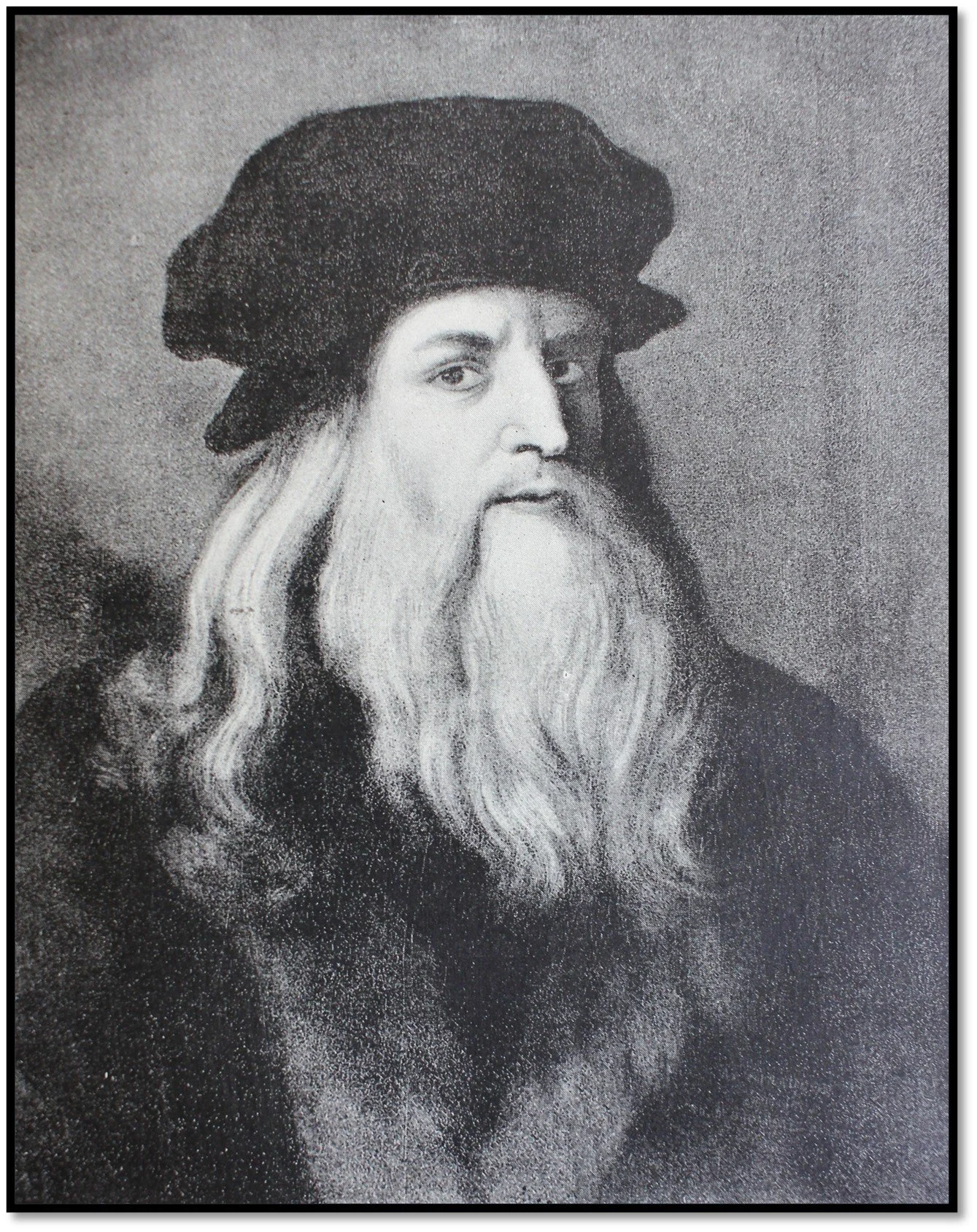
Leonardo da Vinci
The living descendants, ranging in age from 49 to 89, exhibit various traits and passions reminiscent of their renowned ancestor. Dalmazio Vinci, the eldest at 89, has a strong interest in aviation, having built model airplanes and eventually obtaining a pilot’s license. He also invented airplane propeller systems and ship refrigerators, although he never patented his creations. Another descendant, Mauro Vinci, 79, is a skilled artisan known for his tapestry work, which has adorned beds for notable figures such as Vladimir Putin. The youngest, Milko Vinci, 49, shares a physical trait—left-handedness and the habit of writing backwards—that connects him to the Da Vinci male line.
The research project, which began in 2016, is a collaboration between Italian and U.S. researchers, including The Rockefeller University. It has resulted in a comprehensive family tree that stretches back 21 generations, encompassing over 400 individuals. While Leonardo had no direct descendants, the study uncovered 15 direct male-line descendants from his father. The project also suggests that Leonardo’s mother, Caterina, may have been a slave trafficked from Eastern Europe, adding a new layer of complexity to his family history.
The overarching goal of the research is not only to uncover the genetic heritage of Leonardo but also to explore his biological roots, including aspects of his extraordinary creativity, visual acuity, and potential health issues. By sequencing DNA from sources such as fingerprints or historical artifacts, scientists hope to gain deeper insights into the life and legacy of one of history’s most brilliant minds.